How to Read Japanese Before You're Ready
Comprehensible input for Japanese in practice: choosing material at the right level, how much to look up, and why rereading beats reading more.
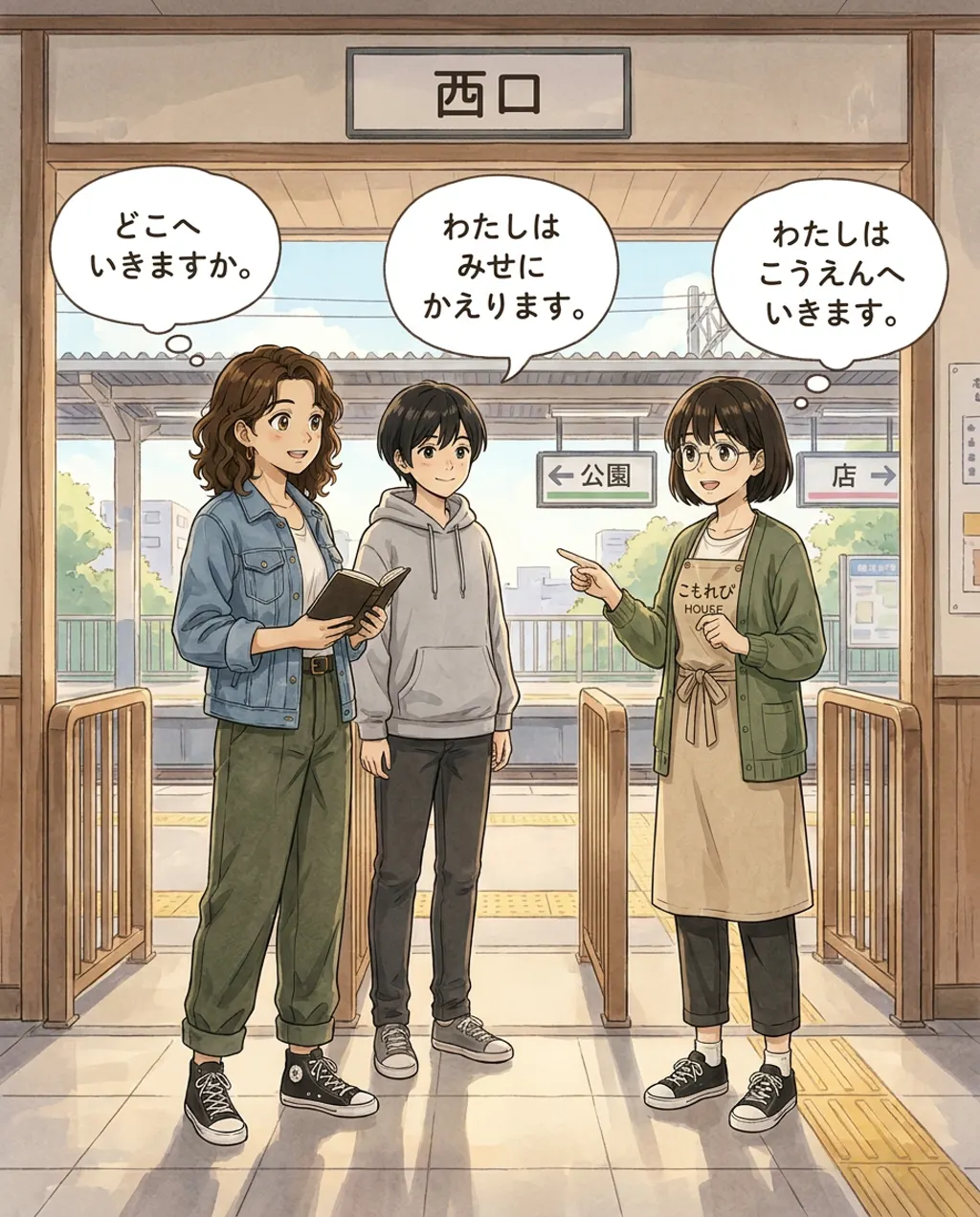
Waiting until you are "ready" to read Japanese is how people spend two years at beginner level. You get ready by reading things you cannot quite read yet.
The right level, concretely
Aim for material where you understand most of what you see and get stuck a few times per paragraph. Too easy and nothing new enters; too hard and you are decoding, not reading — and decoding does not build the pattern recognition that reading does.
How much to look up
Look up a word when it blocks the sentence, or when you have now met it three times. Do not look up every unknown: your attention runs out long before your curiosity does, and a page that took forty minutes will not be read tomorrow.
Reread. It's not wasted time
The second pass through a text is where the language actually arrives. The first pass costs you all your attention on meaning; the second lets you notice the particle, the verb form, the word order. One scene read three times teaches more than three scenes read once.
What to read at each stage
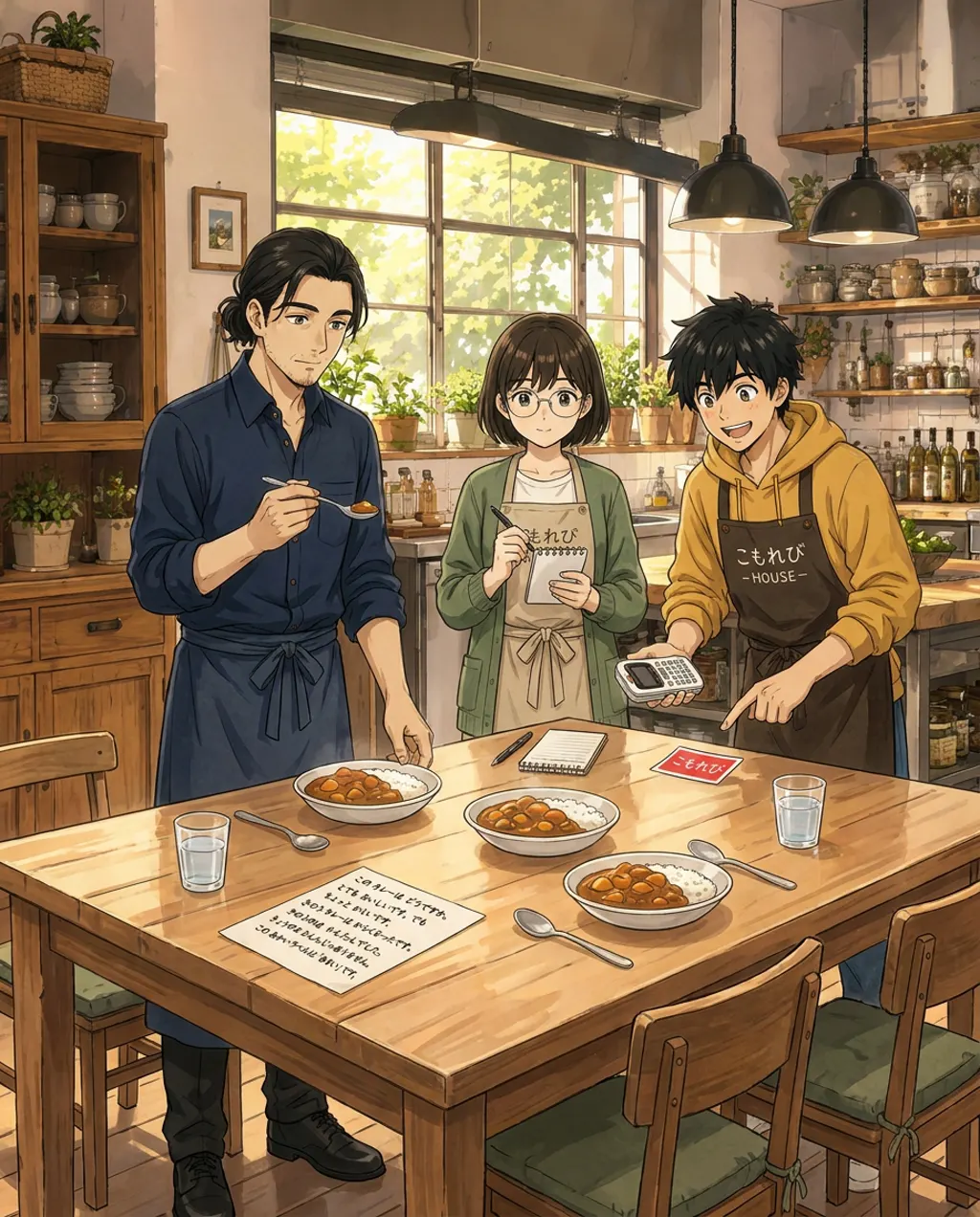
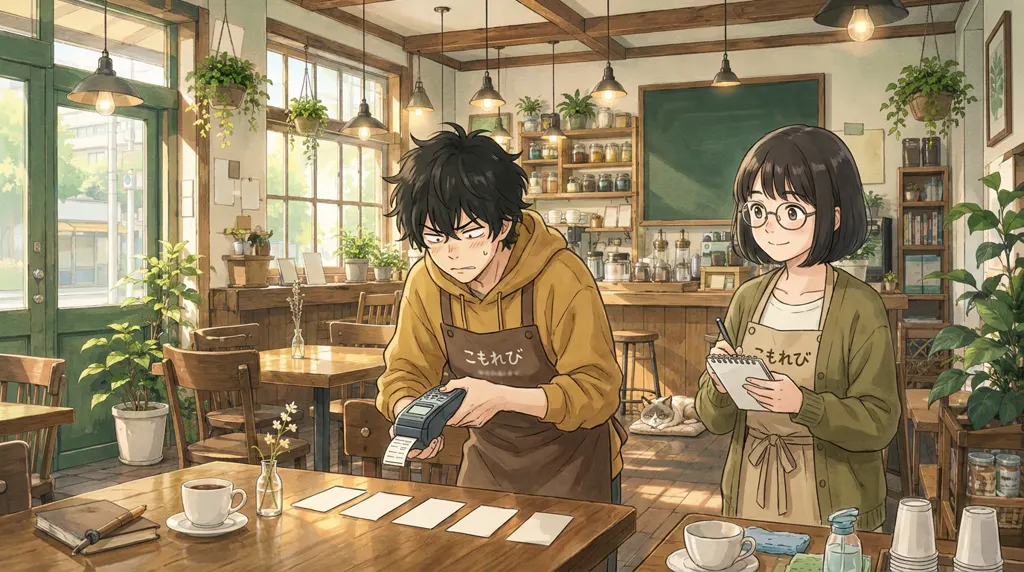
- First months: illustrated scenes and graded material with furigana. Pictures are not decoration here — they carry the meaning your vocabulary cannot yet.
- After N5: NHK Easy News, children's stories, manga with furigana.
- After N4: whatever you actually enjoy, accepting that the first few chapters will hurt.
Saving words the right way
Save the sentence, not just the word. A bare word with a translation gives your memory one hook; a word in the scene where you met it gives it several — who said it, what was happening, what came before. That is the difference between recognising a word on a card and recognising it in a paragraph.
Fifteen minutes, daily
Daily beats long. Fifteen minutes every day builds reading speed; two hours on a Sunday builds a memory of having studied. The illustrated tracks are cut to that size on purpose — one scene, its words, one explanation, done.
Frequently asked questions
Should I read out loud?
Sometimes. It links reading to sound and slows you into noticing grammar, but it is tiring — alternating is fine.
Is furigana a crutch?
It is a bridge. Reading a lot of text with furigana teaches kanji faster than avoiding text you cannot yet read unaided.
Now go and read some Japanese
The illustrated tracks turn this advice into ten-minute lessons — a drawn scene, the words it used, and a short explanation. Lesson one is free.
More Japanese guides
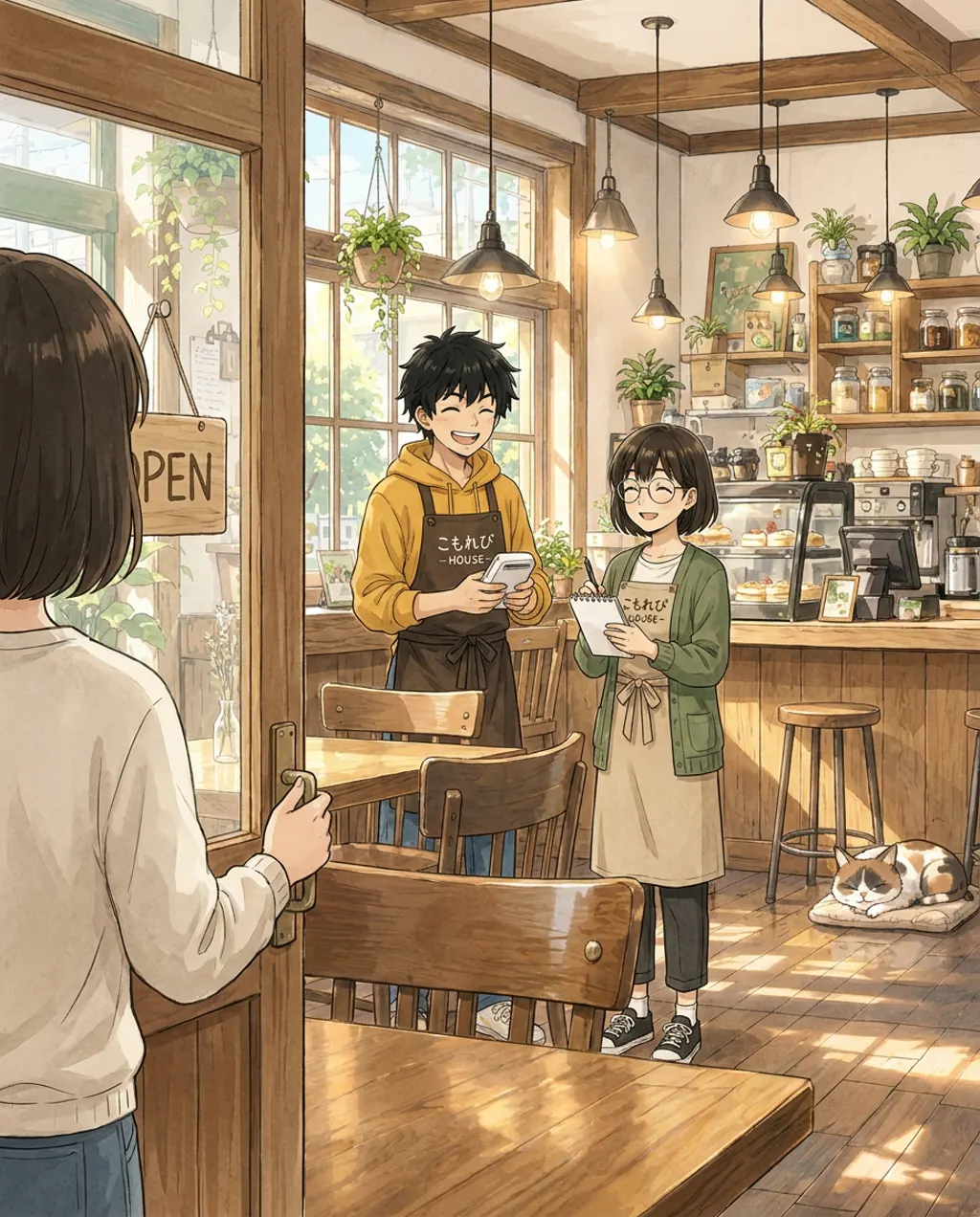
How to Start Learning Japanese (A Realistic First Month)
A week-by-week plan for your first month of Japanese: what to learn first, what to skip, and how much time it actually takes.
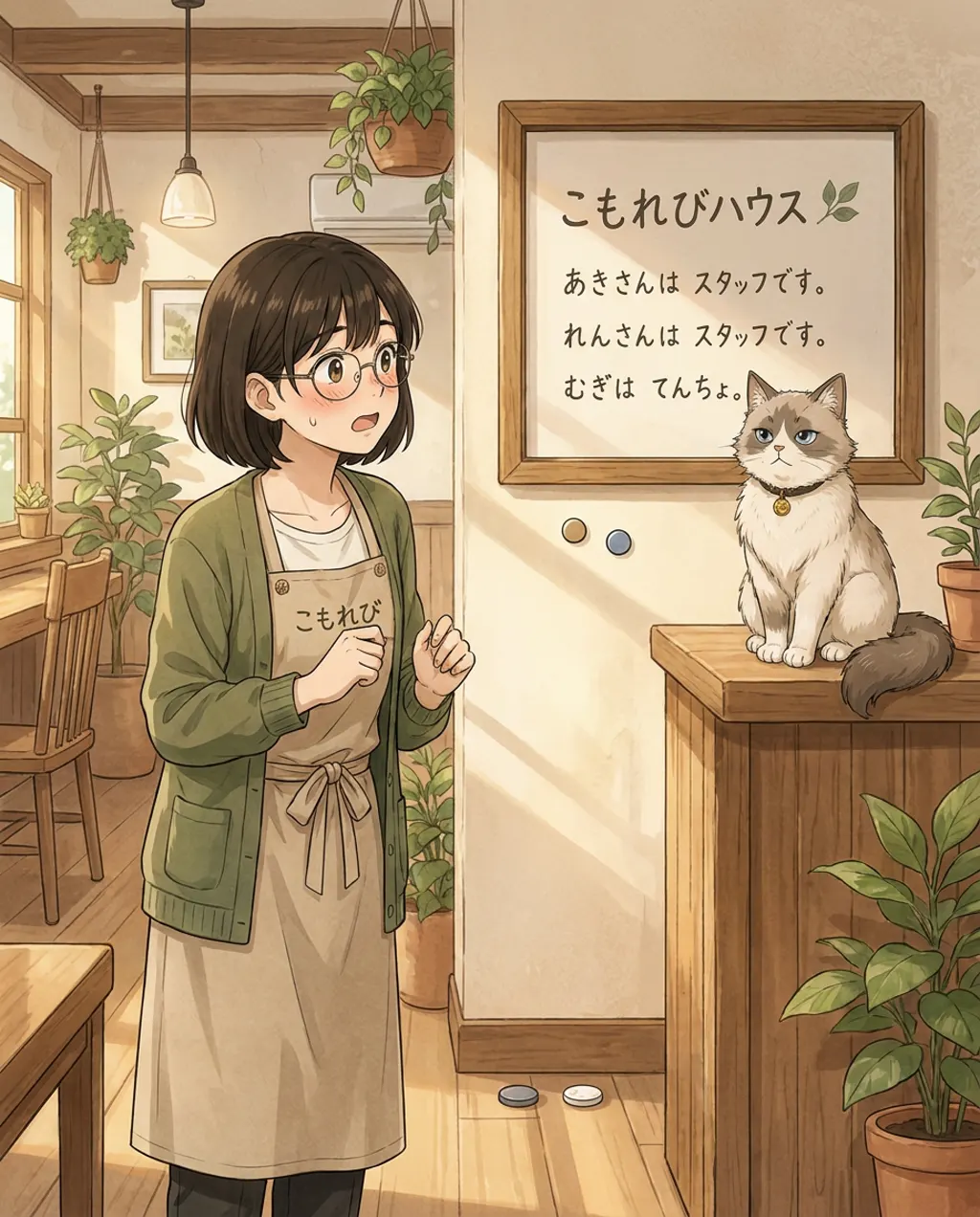
は vs が: The Explanation That Finally Sticks
Why は and が are not interchangeable, explained through sentences rather than rules — plus the three situations where only one of them works.
Learn Hiragana and Katakana Without the Flashcard Grind
A faster route through both kana scripts: read real signs, menus and prices from day one instead of memorising a 46-cell chart.