Lesson 14 of 24
Better, Bigger, Spicier
about 14 minutes
After this lesson you can
- Compare two options and say which of three is the best.
Words this lesson teaches
- やすい
- cheap
- たかい
- expensive, tall
- たのしい
- fun, enjoyable
- あんぜん
- safe
- いちばん
- the most, number one
- どちら
- which of two
- どれ
- which of three or more
- スープ
- soup
- かつどう
- an activity
- えらびます
- chooses
What it explains
A より B の ほうが — B is more
より marks the one being beaten and ほう marks the winner: カレーより スープの ほうが やすいです, the soup is cheaper than the curry. Note the order is the reverse of English, which puts the winner first. Either half can be dropped once the comparison is obvious — スープの ほうが やすいです is a complete answer.
A と B と どちらが — asking between two
Both options take と, then どちらが and the adjective. Japanese distinguishes two from more than two here: どちら for a pair, どれ for three or more. The answer to a どちら question uses ほうが.
… の中で … が いちばん — the most
Set the field with の中で, then いちばん before the adjective: この 三つの 中で これが いちばん たのしいです. いちばん literally means number one and never changes shape, so there are no irregular superlatives to learn — a genuinely easier system than English's -est and most.
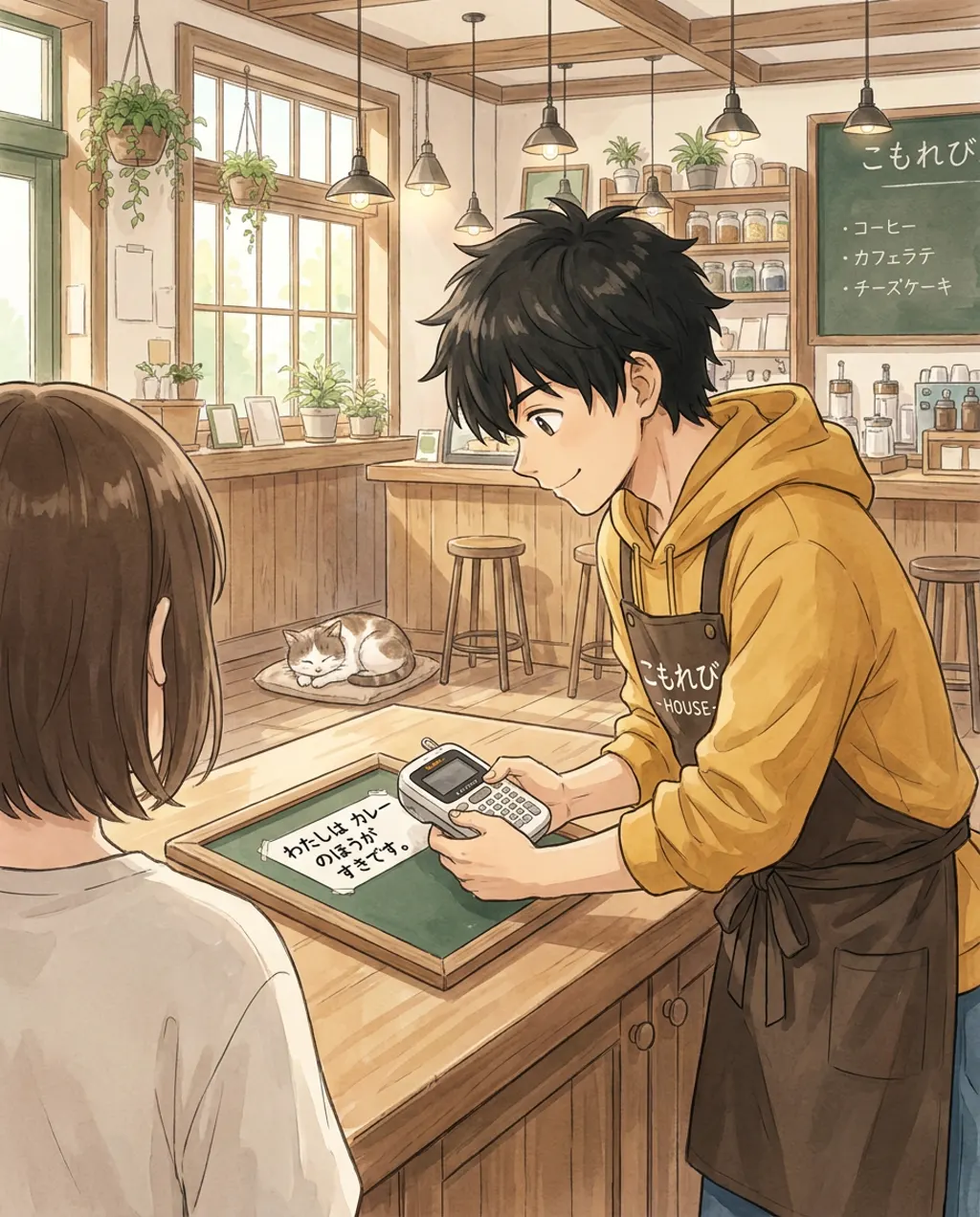
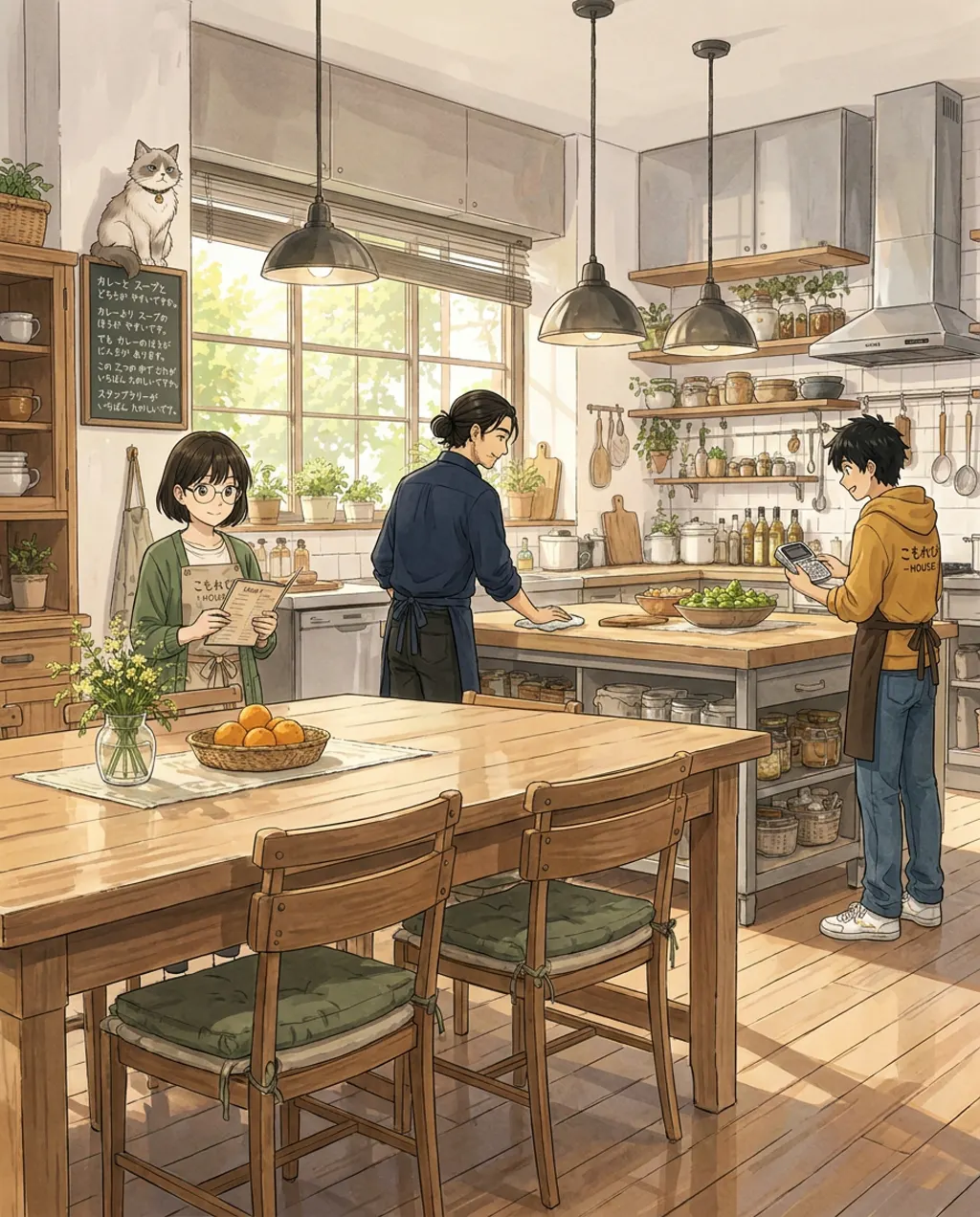
The scene itself is in the app.
Lesson one of this track is free to read in full. From lesson two on, the story, the audio and the review are part of a free account.