Labs are the workshop next door to the story. Each one takes a single mechanism — verb groups, the te-form, plain form, adjective types, question words — shows it inside a scene you already recognise, then drills it until the shape is automatic.
Who it's for
- —A pattern half-landed in a story lesson and you want a focused pass
- —You want verb and adjective forms drilled without leaving the story world
- —You are revising for N5 and want the mechanics tightened
Free preview — lesson 1
Verb Lab A — the form in the dictionary

After this lesson you can
- Convert between the ます form and the dictionary form of a known verb.
- Sort a familiar verb into Group 1, Group 2 or Group 3, and say when the sound alone is not enough to decide.
- Look up a verb met in its ます form in a dictionary.
Ren keeps a notecard in his apron pocket with a column of verbs on it, written in their bare form, the way a dictionary would list them.
Ren
This is the shape a verb has before anyone is polite to it. Learn this one and the polite one is a haircut away.
Words this lesson teaches
- のむ
- to drink — polite のみます (Group 1)
- つくる
- to make — polite つくります (Group 1)
- かく
- to write — polite かきます (Group 1)
- たべる
- to eat — polite たべます (Group 2)
- いれる
- to brew, to put in — polite いれます (Group 2)
- きめる
- to decide — polite きめます (Group 2)
- おきる
- to get up — polite おきます (Group 2, and it sounds like Group 1)
- する
- to do — polite します (Group 3)
- くる
- to come — polite きます (Group 3)
What it explains
The shape a verb has when nothing has happened to it
Every verb you have met so far has been wearing ます. Take ます off のみます and you are left with のみ, which is not a word and cannot be looked up. The shape a dictionary lists is のむ. This is why looking up a verb has been hard: you have been searching for a form that dictionaries do not carry. Ren writes this form on his own whiteboard because it is shorter, the way you would write "brew coffee" rather than "I will brew the coffee". It is not casual speech — that is a later step and needs more than this form.
Three groups, and where the sound stops helping
Drop ます and listen to the last sound of what is left. If it is an -e sound — たべ, いれ, きめ — the verb is Group 2 and the dictionary form is that plus る. If it is an -i sound — のみ, つくり, かき — the verb is usually Group 1, and that -i sound moves to its -u partner: み becomes む, り becomes る, き becomes く. Usually, not always. おきます and みます both end in an -i sound and are both Group 2: おきる, みる. Nothing in the sound tells you that, so those are learned one verb at a time rather than derived. Group 3 is two verbs, する and くる, and they are irregular in every form you will ever meet.
The leftover piece has a name
のみ, たべ, つくり — the part in front of ます is called the ます-stem, and later grammar attaches straight onto it. You do not need it yet. Noticing that it is a stable piece, and not just an accident of where ます starts, is enough for now.
All 8 lessons
1. Verb Lab A — the form in the dictionary
8 minConvert between the ます form and the dictionary form of a known verb.
2. Verb Lab B — four cells, one verb
8 minProduce all four polite forms of a known verb: present, past, negative and negative past.
3. Adjective Lab — eight boxes and two liars
9 minProduce present, past, negative and negative past for both い-adjectives and な-adjectives.
4. Te-form Lab — nine ways in, one ending
10 minProduce the te-form of a known verb from its dictionary form and its group.
5. Plain-form Lab — four more boxes, mostly free
10 minDerive the plain past of a verb from its te-form.
6. Particle Repair — は or が, に or で, へ or に, と or や
9 minChoose between に and で according to whether the place is where something is or where something happens.
7. Question Words — なに, だれ, どこ, いつ, いくら, どう
8 minChoose the right question word for the piece of information you are missing.
8. Starter Particles — は, を and も
8 minMark the thing a verb acts on with を.
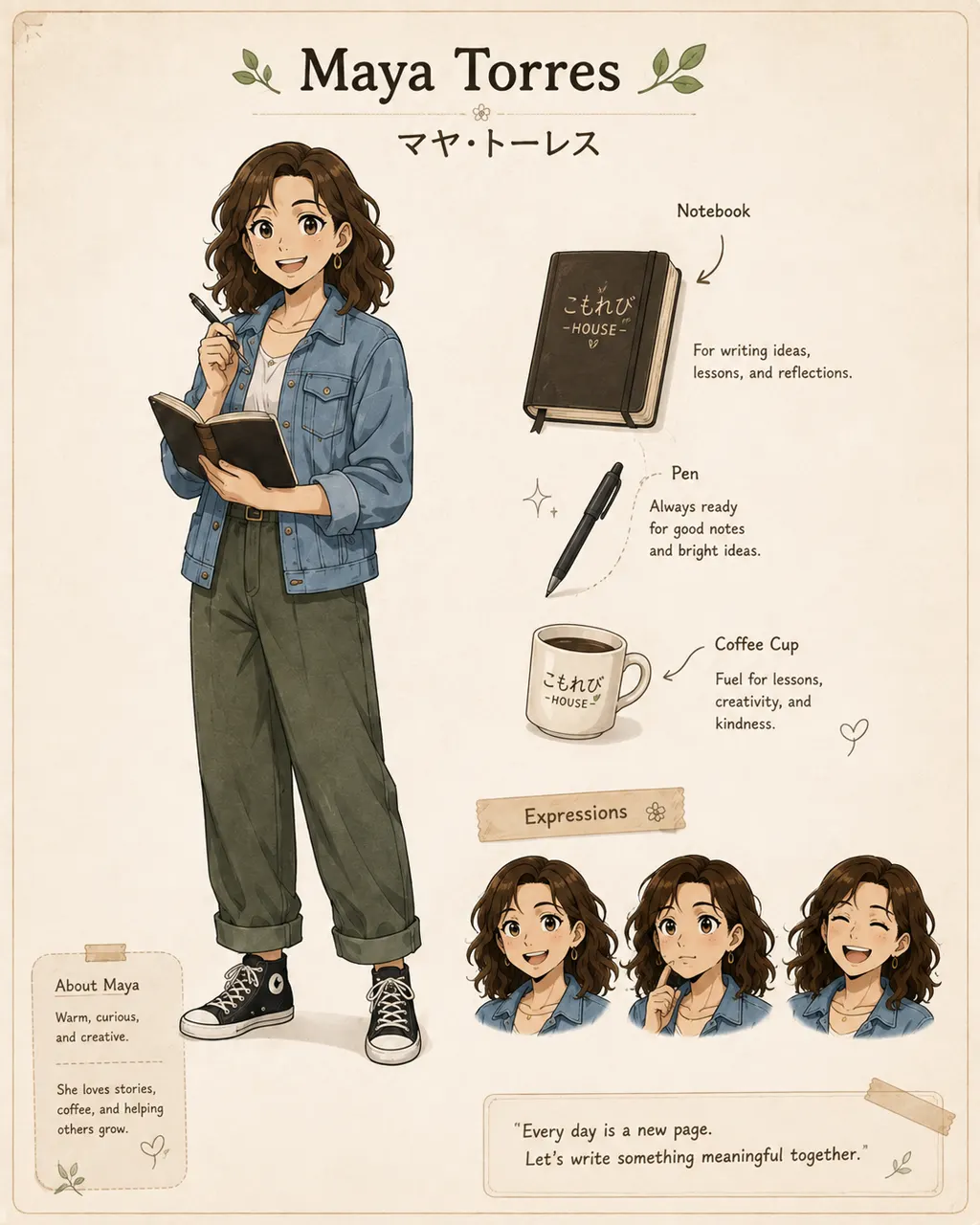
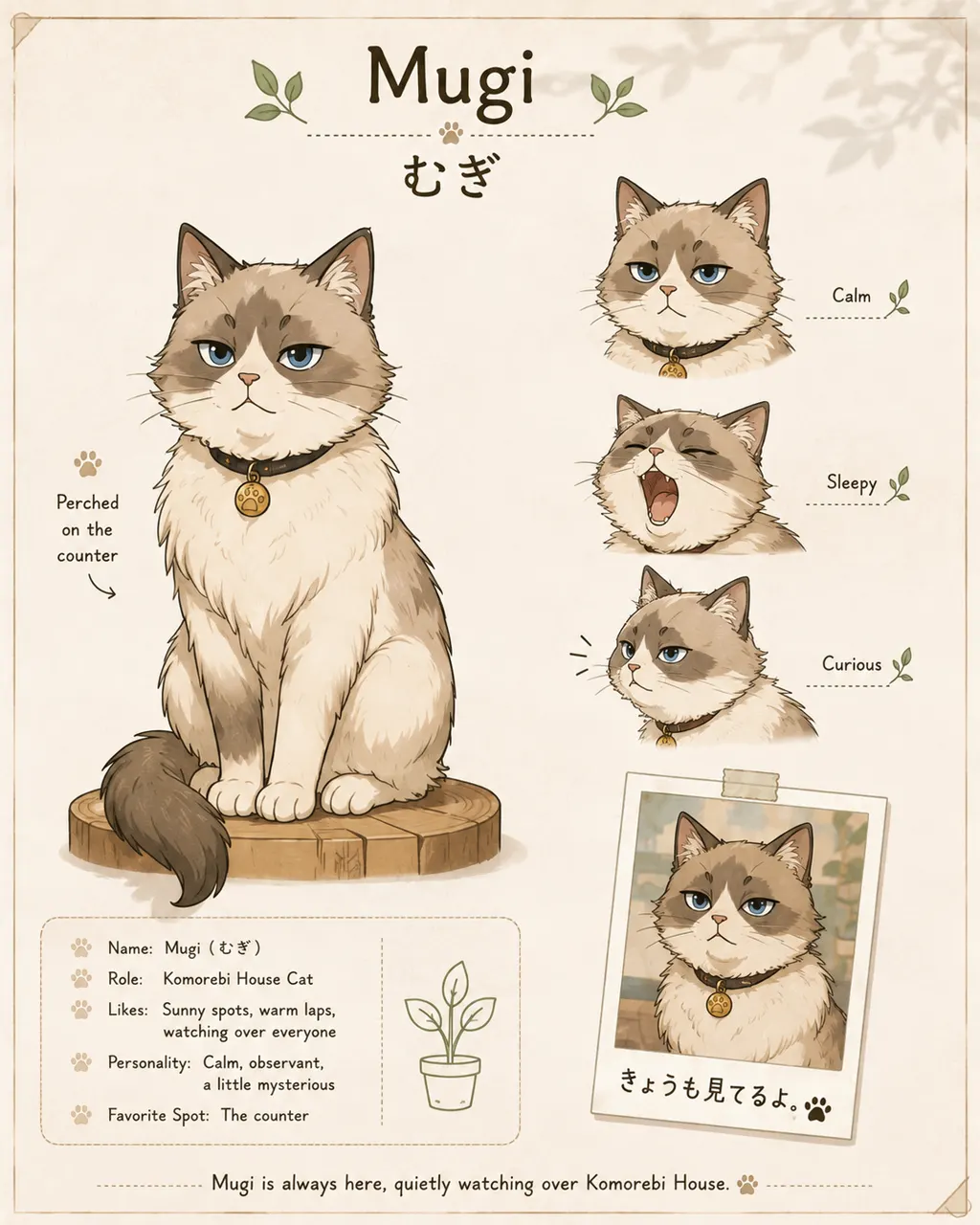
The recurring cast
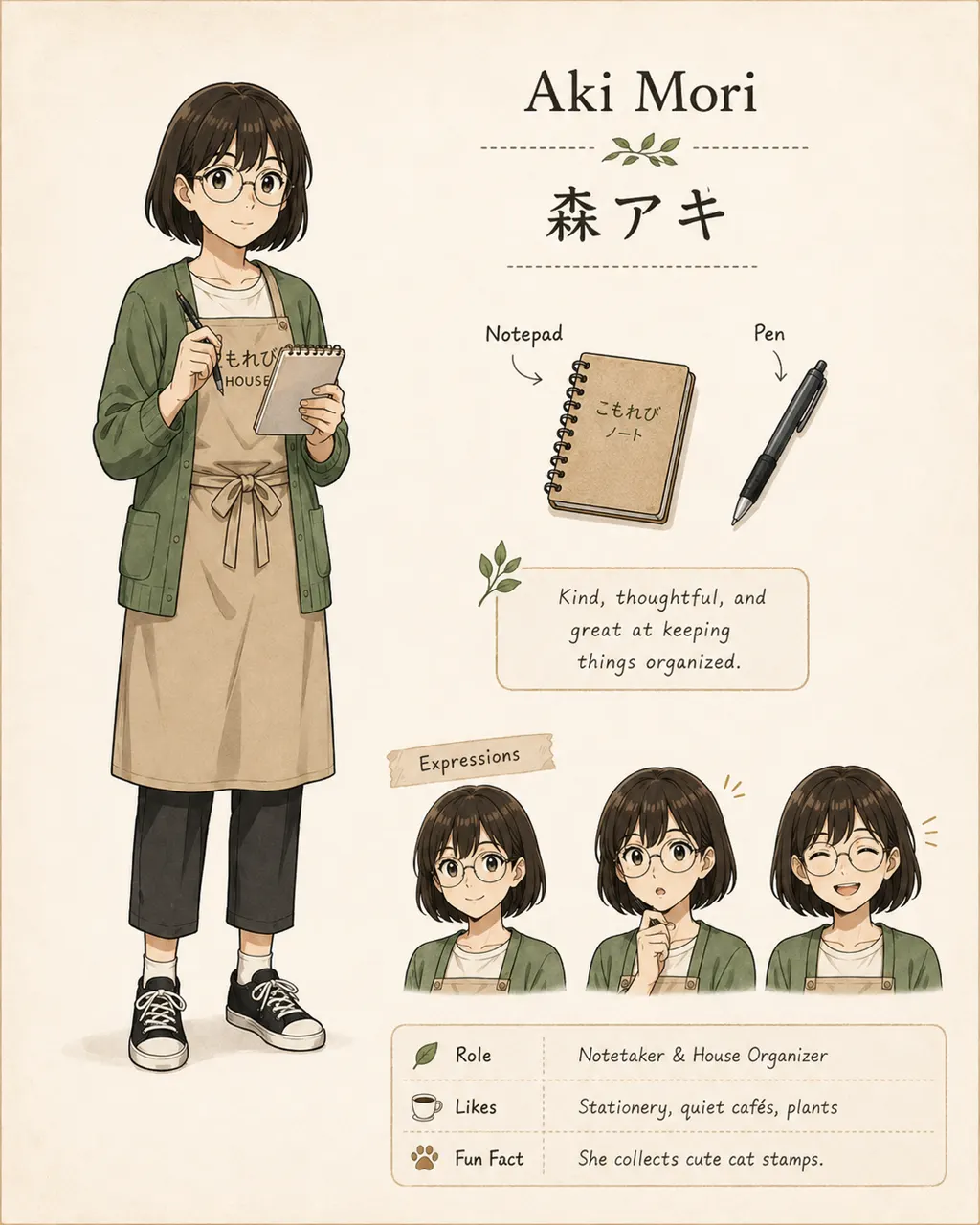
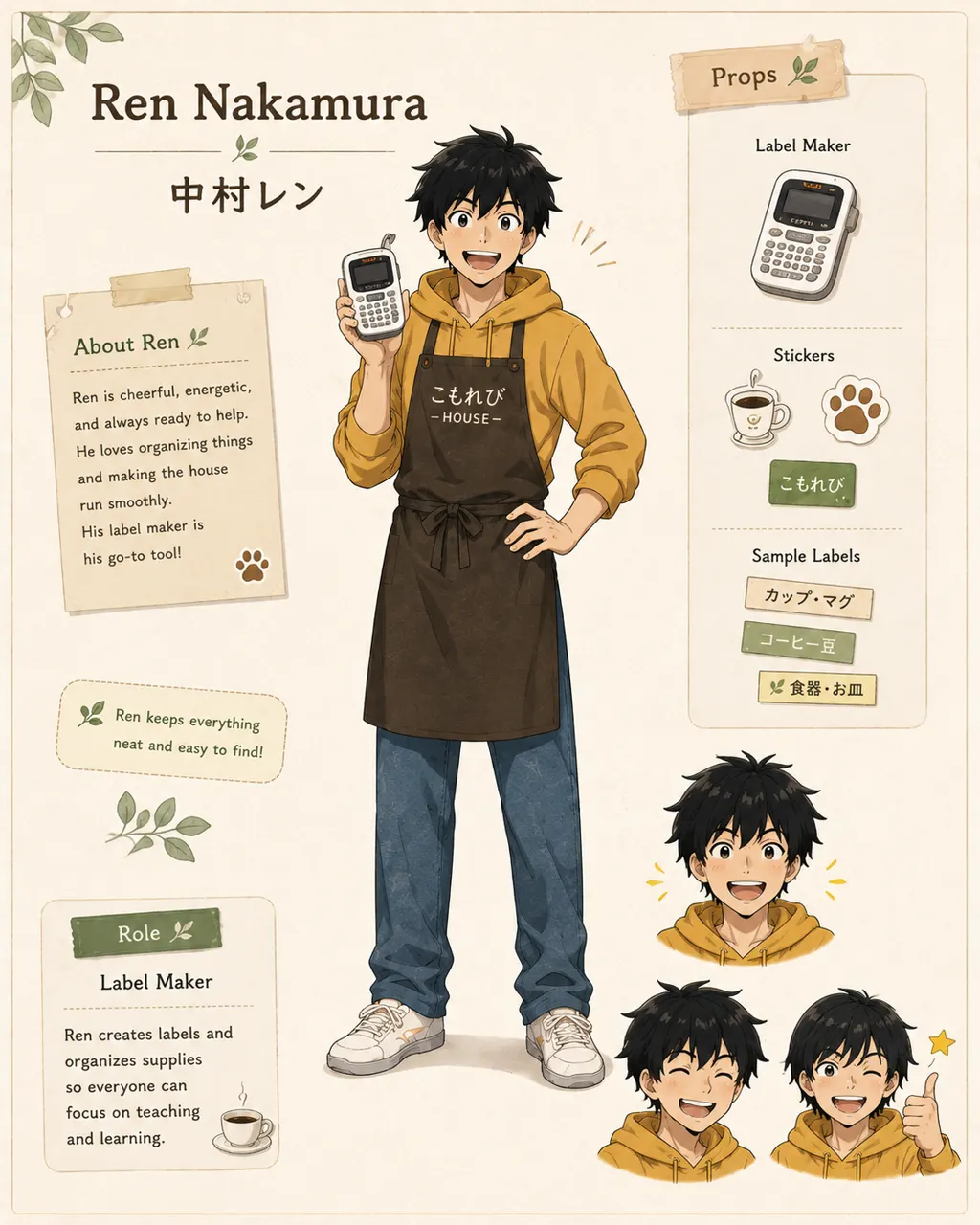
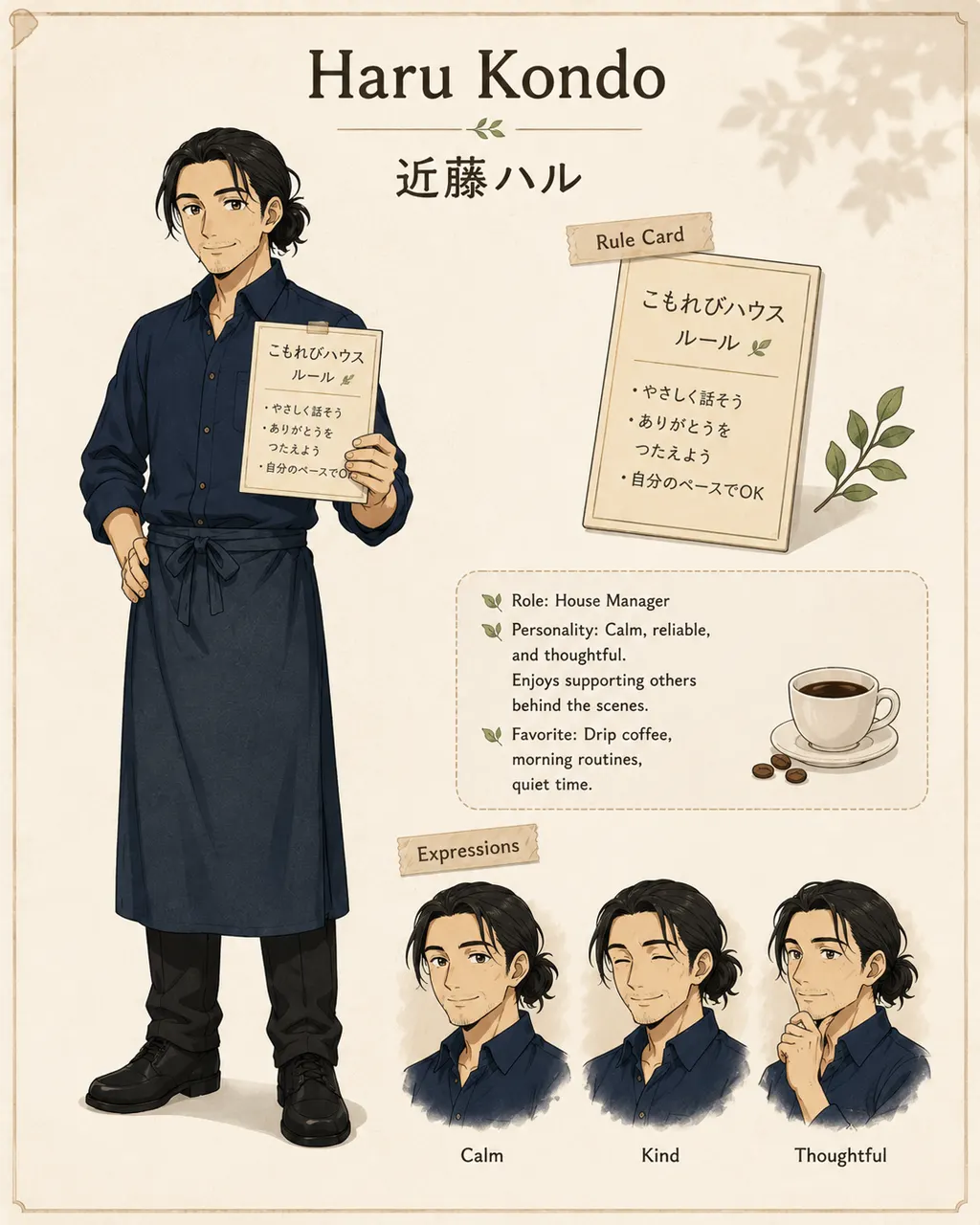
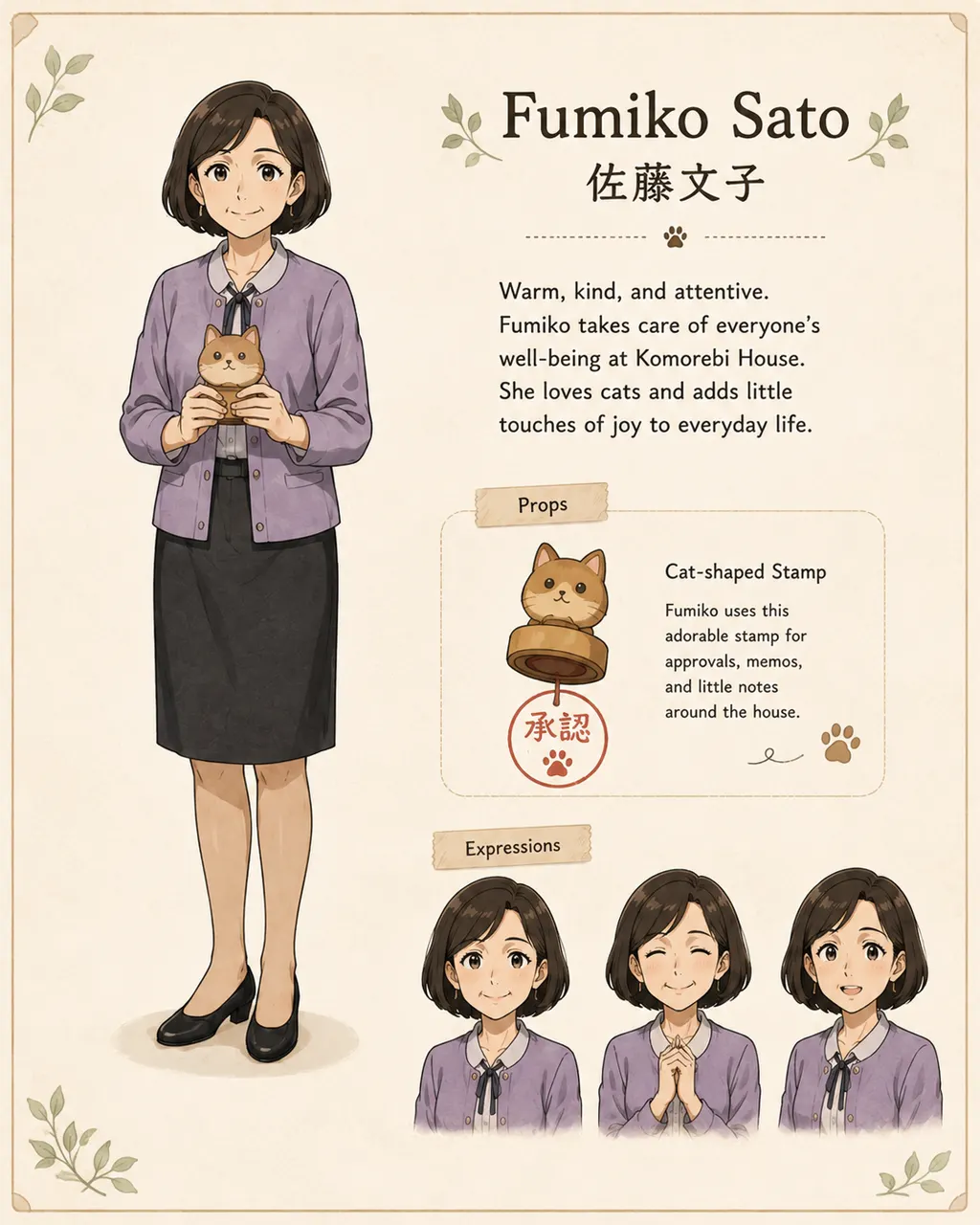
Questions
Do labs replace the story lessons?
No. They are an optional second pass for a pattern the story already introduced.
Which lab should I take first?
Take whichever pattern is currently costing you time; they are independent of one another.
Other tracks
Japanese Foundations
Your first Japanese, told as one story in a small café
Japanese N5
The whole JLPT N5 syllabus as an illustrated story arc
Kana Sprints
Short sprints that turn hiragana and katakana into reading
Also useful: JLPT N5 vocabulary and kanji, the hiragana chart and printable worksheets.