N4 is the season after Open Day at Komorebi House. The café is busier, the staff rely on each other, and the Japanese follows: favours given and received, conditions and plans, guesses about what might happen, plain form among friends and polite distance with customers. Every point arrives because somebody has to say it, and comes back later so it stays.
Who it's for
- —You finished N5 and want the next grammar in sentences rather than a table
- —You can read simple Japanese but freeze on plain form, conditionals and keigo
- —You are sitting JLPT N4 and want the syllabus in a story you will remember
Free preview — lesson 1
Someone Did It Already

After this lesson you can
- Say that someone did something for you, and thank them for it.
- Tell the difference between what happened and what someone did for you.
First Saturday session, and you are twenty minutes early. The chairs are already out in a half circle, the board is wiped, and the kettle has just boiled.
Aki
れんさんが いすを ならべてくれました。
Ren set the chairs out for us.
Aki
はるさんも てつだってくれました。
Haru helped out too.
Ren is at the board with a marker, adding a ninth rule to a list that had eight of them at the end of last season.
You
ありがとうございます。たすかります。
Thank you. That really helps.
Ren
土曜日は 早く 来ますから。
I come in early on Saturdays anyway.
You
みなさんが てつだってくれましたから、たすかりました。
Everyone pitched in for us, so it really helped.
Ren writes rule nine on the board: あさは コーヒーを つくる. Nobody asks whose rule it is, and nobody rubs it out.
Words this lesson teaches
- くれます
- gives me, does for me
- ならべます
- lines up, sets out
- かたづけます
- tidies away, clears up
- たすかります
- that helps, you've saved me
- おれい
- thanks, a token of thanks
- 早く
- early, quickly
- さいしょ
- the first one, the beginning
- つづけます
- continues, keeps doing
What it explains
〜てくれる: they did it, and it landed on you
Attach くれる to the て-form and the sentence gains a direction: the action moved towards the speaker, or towards someone the speaker counts as theirs. ならべました is a report. ならべてくれました is a report plus a thank-you built into the grammar. Japanese speakers hear the plain version as cold in exactly the places English would expect warmth, which is why this comes first in N4 rather than later.
が, not は, for the person who did it
れんさんが いすを ならべてくれました. The doer takes が here, not は, because the sentence is answering who — and answering who is what が is for. You met that in N5 with だれが うけつけを しますか. It is the same が, doing the same job, in a bigger sentence.
All 24 lessons
1. Someone Did It Already
12 minSay that someone did something for you, and thank them for it.
2. Showing Maya Where Things Are
12 minSay that you did something for someone else.
3. Getting It Checked
12 minSay that you had someone do something for you.
4. Three Directions
11 minChoose between くれる, あげる and もらう without stopping to think.
5. If The Rain Stops
12 minSay what you will do if or when something happens.
6. It Always Does That
11 minSay what always happens when something else does.
7. If You're Going Anyway
12 minBuild on what someone has just told you.
8. Even If It Snows
11 minSay that something holds even if the situation changes.
9. It Looks Like Rain
12 minSay how something looks to you, before you know.
10. I Heard From Sato
12 minPass on something you were told, and say where it came from.
11. Like Somewhere Else
12 minSay what something seems to be, from evidence.
12. How Sure Are You
12 minSay how confident you are, at three levels.
13. You Can Read It Now
12 minSay what you are able to do.
14. It Was Written About Us
12 minSay that something was done, without naming who did it.
15. Letting And Making
12 minSay that you let someone do something, or had them do it.
16. Made To Do It
13 minSay that you were made to do something you did not want to do.
17. Try It And Leave It Ready
12 minSuggest trying something to see how it goes.
18. Already Done, And Done For
12 minSay that something has been done and is still that way.
19. We Decided
12 minSay what you have decided to do.
20. Just A Moment Ago
13 minSay that something is about to happen, is happening, or has just happened.
21. Even Though
12 minSay that something happened even though you expected otherwise.
22. And Also, And While
14 minGive two reasons in one sentence, and say what you did while doing something else.
23. In Order To
13 minSay what you are doing something for.
24. The Session You Run
15 minSay that something is easy or hard to do.
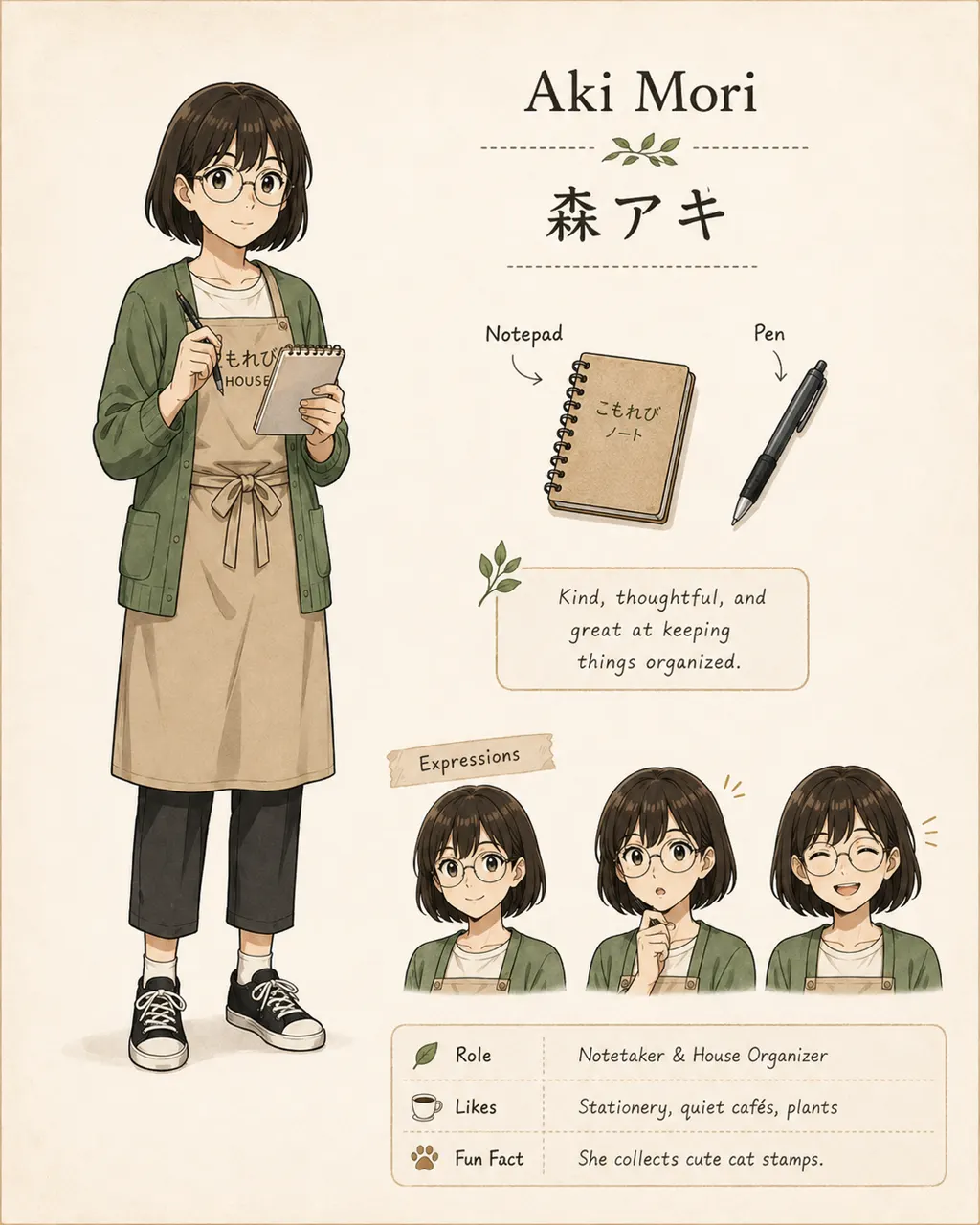
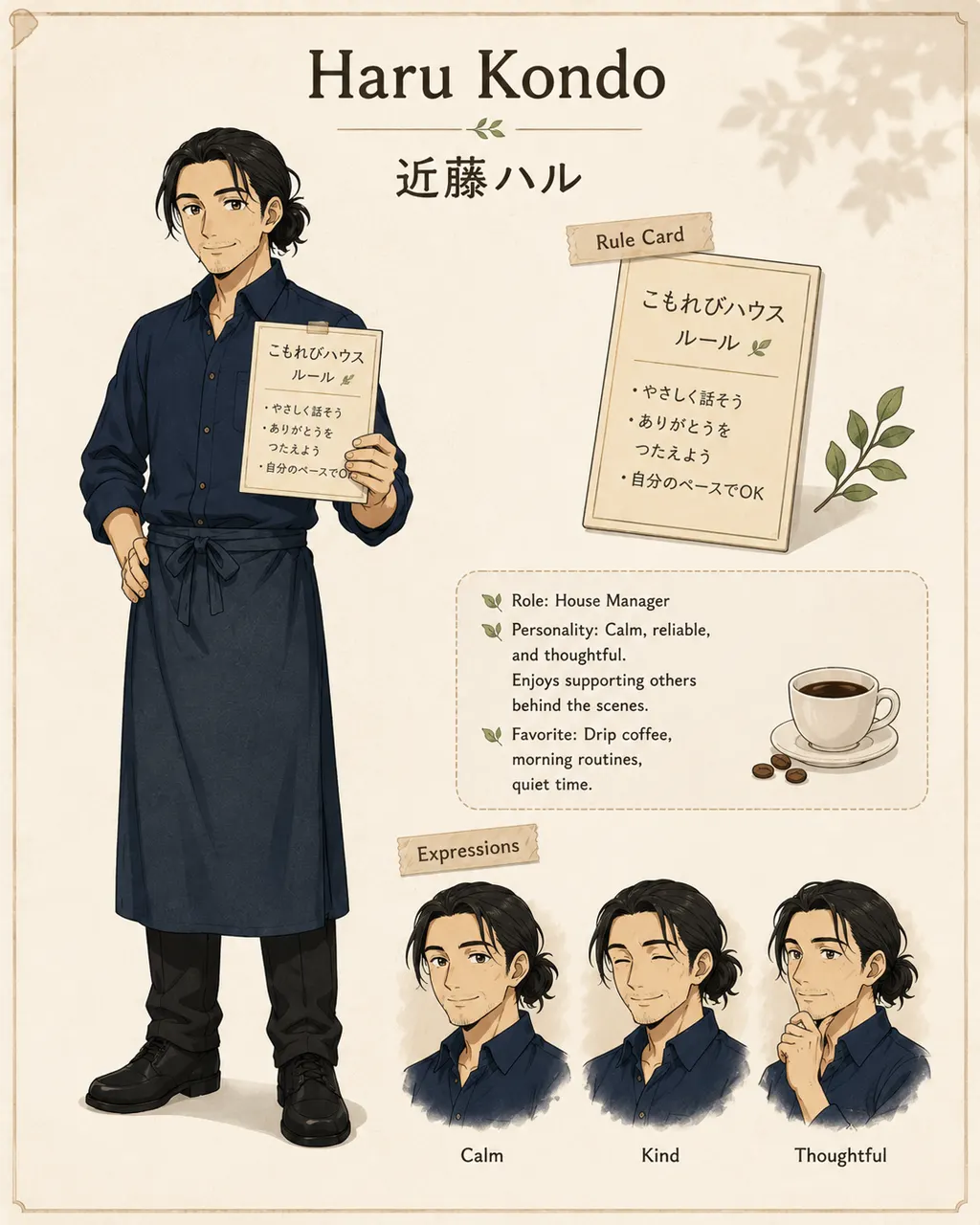
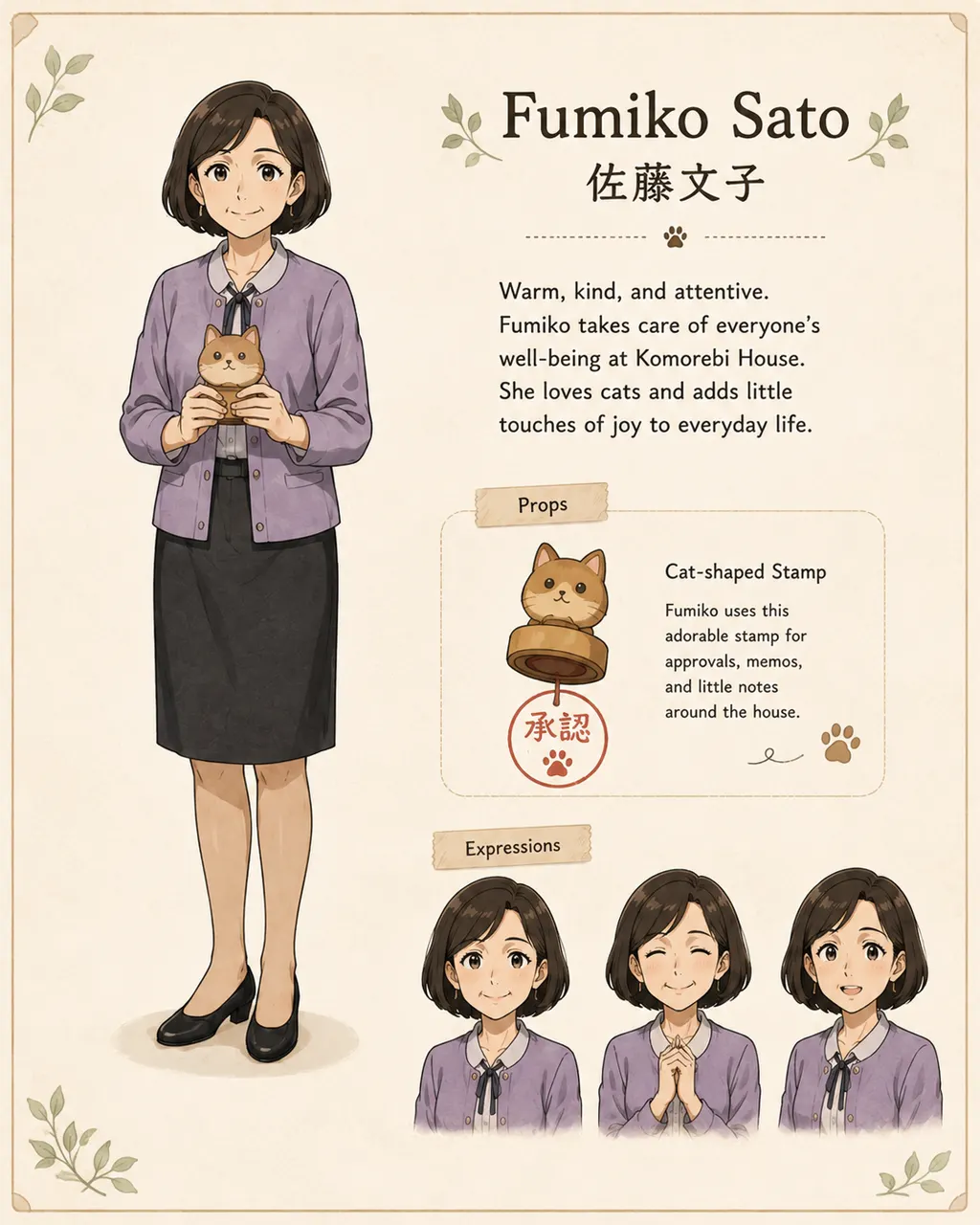
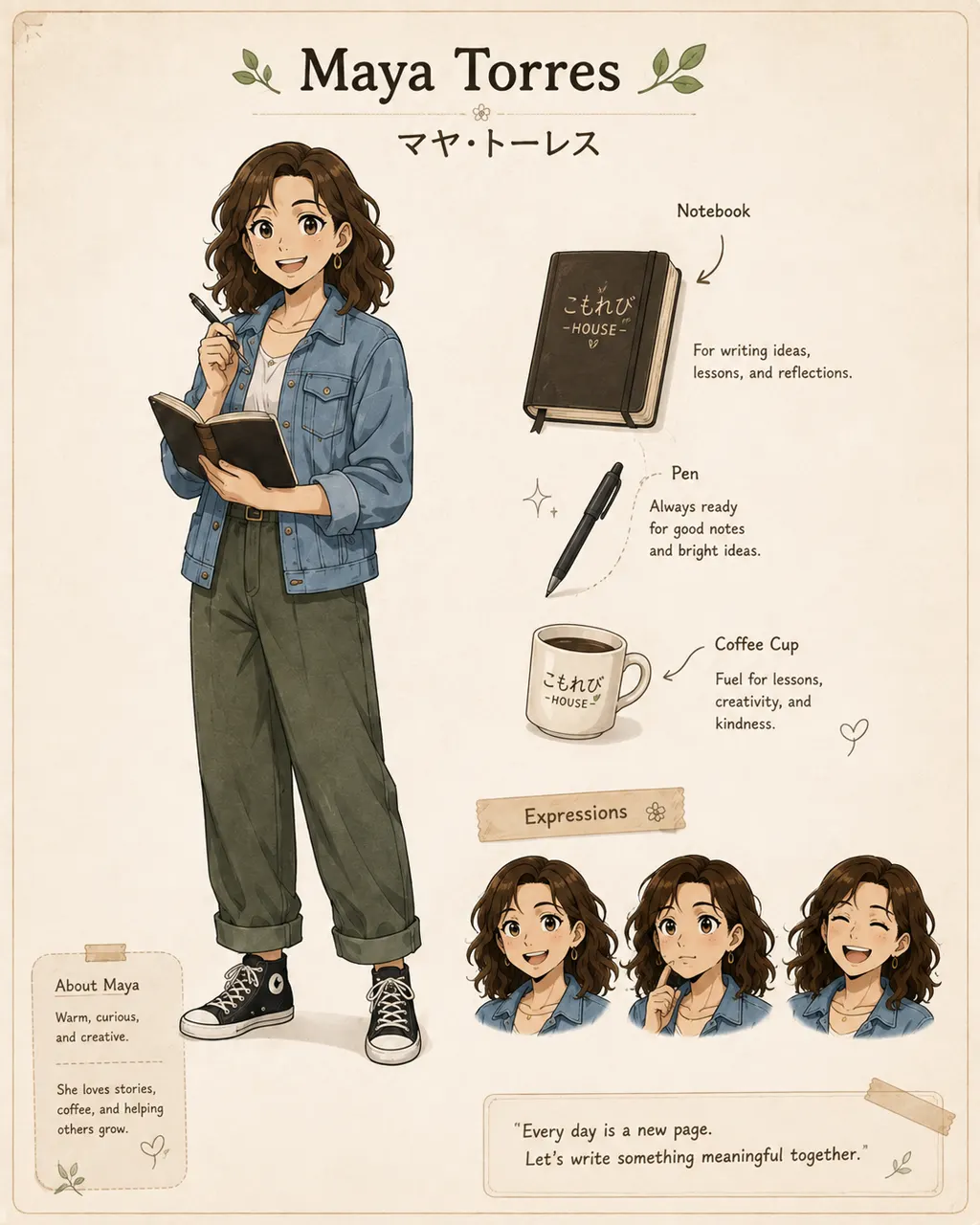
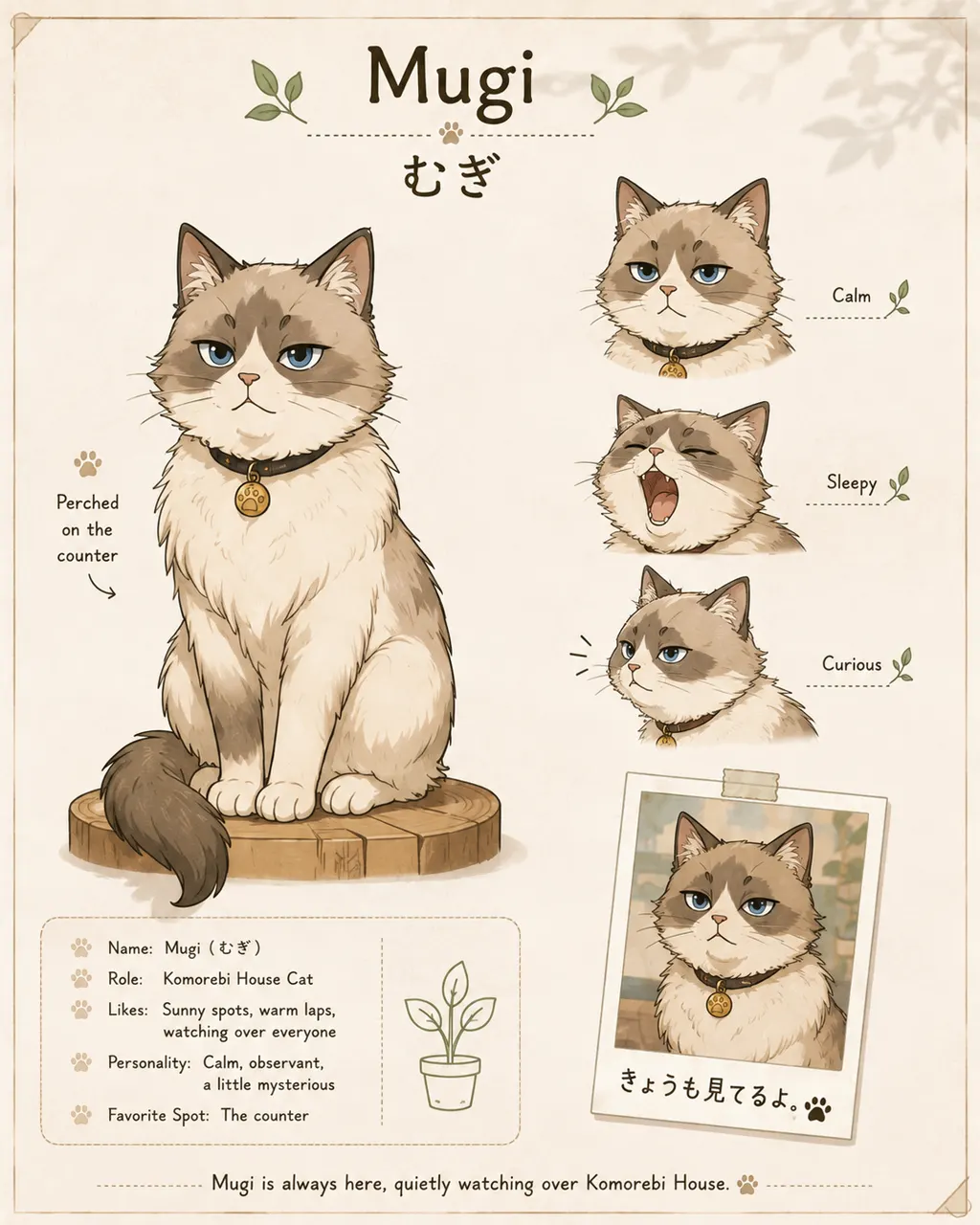
The recurring cast

Questions
Do I need to finish N5 first?
It helps. N4 assumes N5 grammar and kana reading; if those feel shaky, the N5 track leads straight into this one with the same cast.
Does this cover the whole JLPT N4 syllabus?
It covers the N4 grammar and core vocabulary arc across its lessons, and pairs with InputDojo's N4 vocabulary, kanji lists and drills for exam-shaped review.
How long does a lesson take?
Most lessons run ten to fifteen minutes: a scene, the words it used, a short explanation and a few checks.
Other tracks
Japanese Foundations
Your first Japanese, told as one story in a small café
Japanese N5
The whole JLPT N5 syllabus as an illustrated story arc
Kana Sprints
Short sprints that turn hiragana and katakana into reading
Grammar Labs
Second-pass labs for the patterns that need one
Kanji Units
The N5 kanji, taught through words you already say
Also useful: JLPT N5 vocabulary and kanji, the hiragana chart and printable worksheets.